
 Food Knowledge
Restaurant Menus with Plant-Based Protein Alternatives: Nutr...
Published On 30-10-2026
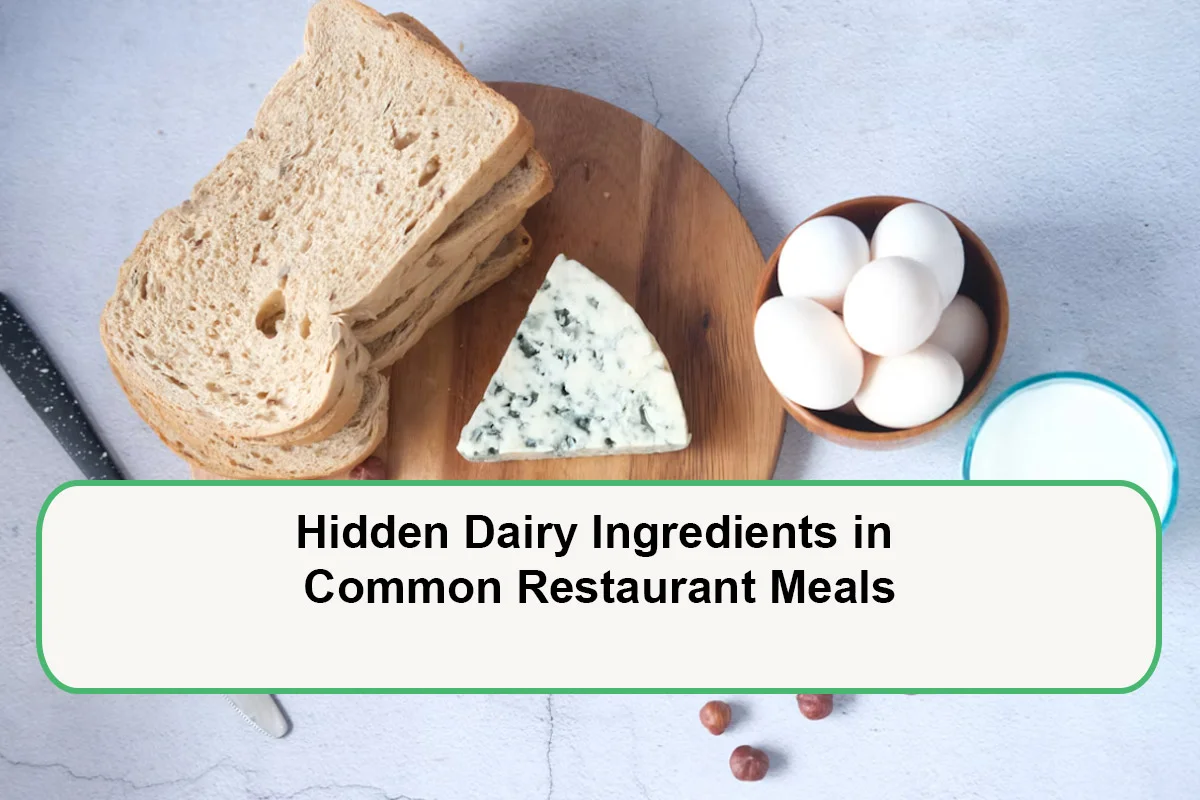
If you have a milk allergy, lactose intolerance, or follow a dairy free diet, the obvious foods are easy to skip: cheese, ice cream, cream sauces. The trouble is the dairy you cannot see. Restaurant kitchens use butter, milk, cream, cheese, and milk derived ingredients in places most diners would never guess, from the steak on your plate to the fries on the side.
This guide covers the most common hidden dairy ingredients in restaurant meals, the ingredient names that signal milk, cuisine by cuisine watch outs, and how to order dairy free with confidence.
The most common hidden sources of dairy in restaurant food are butter on steaks, burgers, buns, and vegetables; milk or buttermilk in batters and breading; cheese in dressings, sauces, and pesto; milk based flavorings in fries and chips; cream in soups and mashed potatoes; and milk proteins such as casein and whey in "non dairy" products. Always ask how a dish is cooked and finished, not just what is listed on the menu.
These conditions are often confused, but they are different. A milk allergy is an immune reaction to milk proteins, mainly casein and whey, and even small amounts can cause serious reactions. Lactose intolerance is difficulty digesting lactose, the sugar in milk, and usually causes digestive discomfort that depends on the amount eaten. Some foods, such as ghee or aged cheese, are low in lactose but still contain milk protein, so they may be tolerated by some lactose intolerant diners but are not safe for people with milk allergy. When ordering, be clear about which one you have.
Fried chicken is often marinated in buttermilk, and many batters and breadings use a milk and egg wash. Onion rings, chicken tenders, and fried fish frequently contain milk. Our story of where fried chicken originated explains the buttermilk tradition.
Some seasonings and natural flavorings contain milk derivatives. A well known example: McDonald's discloses that the natural beef flavor used on its U.S. fries contains hydrolyzed milk as a starting ingredient, so the fries are not dairy free. Seasoned chips, popcorn, and coated fries can also contain milk powder or cheese powder.
Mashed potatoes almost always contain butter and milk or cream. Dinner rolls, brioche buns, garlic bread, and many breads contain milk or butter. Even some fresh pasta is enriched; our guide on why fresh pasta tastes different explains how pasta doughs vary.
"Non dairy" does not always mean milk free. Many non dairy creamers and whipped toppings contain sodium caseinate, a milk protein. Kosher products marked with a "D" contain dairy or were made on dairy equipment.
Sorbet is often dairy free but not always, and some dark chocolate contains milk. Smoothies may include yogurt or whey protein, and coffee drinks may use milk based syrups or toppings.
Breakfast is one of the hardest meals for dairy free diners, because butter and milk are built into so many classic dishes. Pancake, waffle, and French toast batters almost always contain milk, and they are cooked on buttered griddles. Scrambled eggs and omelets are often made with milk or cream to keep them fluffy, and hash browns and home fries may be cooked in butter. Biscuits are made with butter and buttermilk, and gravy is usually milk based. Even a simple piece of toast arrives already buttered unless you ask. When ordering brunch, ask for eggs cooked in oil with no milk added, dry toast, and potatoes cooked in oil. Our history of brunch explains how this meal became so butter and cream heavy.
Quick service restaurants rely on standardized ingredients, which can make dairy easier to track through allergen charts, but it also means milk appears in places you might not check. Common examples include:
Fast casual bowl restaurants are often easier for dairy free diners, because you can skip cheese and sour cream and build your meal from simple components. Our guide to the difference between fast food and fast casual restaurants explains how those formats work.
| Ingredient name | What it is | Where it shows up |
|---|---|---|
| Casein, caseinates | Milk protein | Non dairy creamers, processed meats, some breads |
| Whey | Milk protein | Protein shakes, baked goods, seasonings |
| Lactalbumin, lactoglobulin | Milk proteins | Processed foods and supplements |
| Ghee, butter oil, butterfat | Clarified butter | Indian dishes, sauteed foods |
| Lactose | Milk sugar | Seasonings, deli meats, baked goods |
| Hydrolyzed milk protein | Broken down milk protein | Flavorings, including some fry seasonings |
| Artificial butter flavor, natural flavors | Flavorings that may contain milk | Popcorn, sauces, fried foods |
| Buttermilk, sour cream solids, milk powder | Dairy products | Breading, dressings, seasonings |
For more on talking with staff about allergies, read our guide on how to handle food allergies when dining out, and for tips on how menus present allergen data, see how digital menus handle allergen information.
Some cuisines and dishes are easier starting points. Thai curries made with coconut milk, Vietnamese pho, many Middle Eastern dishes made with olive oil, sushi and sashimi without cream cheese, grilled meats cooked in oil, and salads with vinaigrette are often naturally dairy free. Confirm every time, but these give you more options. Browse Thai restaurants, Chinese restaurants, and Greek restaurants near you to get started.
Hidden dairy is everywhere in restaurant kitchens, from butter basted steaks and toasted buns to buttermilk breading, cheese based dressings, milk derived flavorings, and caseinate in non dairy creamers. Learn the ingredient names, ask how dishes are finished, request oil instead of butter, and use allergen menus to narrow your choices. For more practical dining advice, explore our food knowledge collection.
Reviewed and verified by the Restaurant Listings Editorial Team for accuracy and relevance. Our content is researched using official restaurant sources, public records, government agencies, and recognized food safety and hospitality industry resources.
Last reviewed: October 2026